Achieve Optimal Health Today
What is Trauma-Informed Coaching
Trauma-informed coaching recognises that our past experiences can profoundly shape how we think, feel, behave, and relate to the world around us. Rather than asking, "What's wrong with you?", a trauma-informed approach asks, "What happened to you, and how has that affected your nervous system, beliefs, and patterns of coping?"
At Michelle Ede Women Empowered, trauma-informed coaching is based on the understanding that many emotional and behavioural difficulties are adaptive responses to overwhelming experiences. These responses may once have helped a person survive but can later become barriers to feeling safe, connected, and fulfilled.
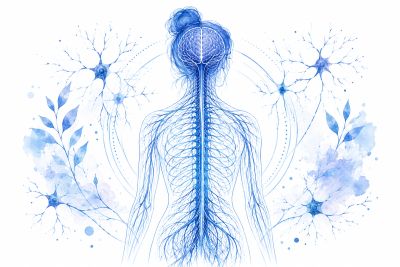
Understanding The Nervous System
The human nervous system is designed to protect us from danger. When the brain perceives physical or emotional threat it automatically activates survival responses to keep us safe.
These responses are commonly known as:
- Fight: confronting or resisting the threat through anger, defensiveness, or control.
- Flight: escaping, avoiding, overworking, perfectionism, or constantly staying busy.
- Freeze: feeling stuck, emotionally numb, unable to act, or disconnected from thoughts and feelings.
- Fawn: prioritising other people's needs, people-pleasing, or suppressing your own needs to maintain safety or avoid conflict.
These are normal biological survival responses and are controlled largely outside of conscious awareness.
When trauma becomes trapped in the body
Traumatic or overwhelming experiences are not only remembered by the mind, they can also affect the body and nervous system.
When stress responses remain activated over long periods, the body may stay in a state of heightened alertness or chronic shutdown. People may experience symptoms such as:
- Anxiety or panic
- Hypervigilance
- Difficulty relaxing
- Sleep problems
- Emotional overwhelm
- Persistent exhaustion
- Digestive discomfort
- Muscle tension or chronic pain
- Feeling disconnected from themselves or others
Research suggests that prolonged stress can influence hormonal, immune, and inflammatory processes in the body. While these effects vary between individuals and are influenced by many factors, unresolved trauma and chronic stress may contribute to ongoing physical as well as emotional difficulties.
The Mind Body Connection
The body often communicates what words cannot.
A racing heart, tight chest, clenched jaw, upset stomach, headaches, trembling, or a sense of heaviness may all reflect the nervous system responding to perceived danger. Even when the original threat has passed, the body may continue reacting as though it is still unsafe.
Trauma-informed coaching pays attention to these bodily experiences rather than focusing solely on thoughts or behaviours.
A Somatic and Nervous System Approach
"Somatic" simply means relating to the body.
In trauma-informed coaching, gentle awareness of physical sensations can help clients recognise how stress and trauma are experienced within the body. This may include noticing breathing patterns, muscle tension, posture, grounding, and bodily cues associated with safety or threat.
The aim is not to force difficult emotions or memories but to help clients gradually develop greater regulation, awareness, and resilience.
Rebuilding a Sense of Safety
Healing often begins when the nervous system experiences safety.
Trauma-informed coaching supports clients to:
- Understand their survival responses without shame or self-blame.
- Build emotional regulation skills.
- Recognise triggers and patterns.
- Develop healthier boundaries and relationships.
- Strengthen self-compassion and self-trust.
- Increase their capacity to remain present during stress.
- Create lasting change through insight and practical strategies.
An Individualised Approach
Every person's experiences are unique. Trauma-informed coaching does not assume that everyone responds in the same way or follows the same path to healing.
Sessions are tailored to your individual needs, pace, and goals, with an emphasis on collaboration, empowerment, choice, and respect.
The objective is not simply to reduce symptoms but to help you better understand yourself, reconnect with your strengths, and move forward with greater confidence, resilience, and emotional wellbeing.